


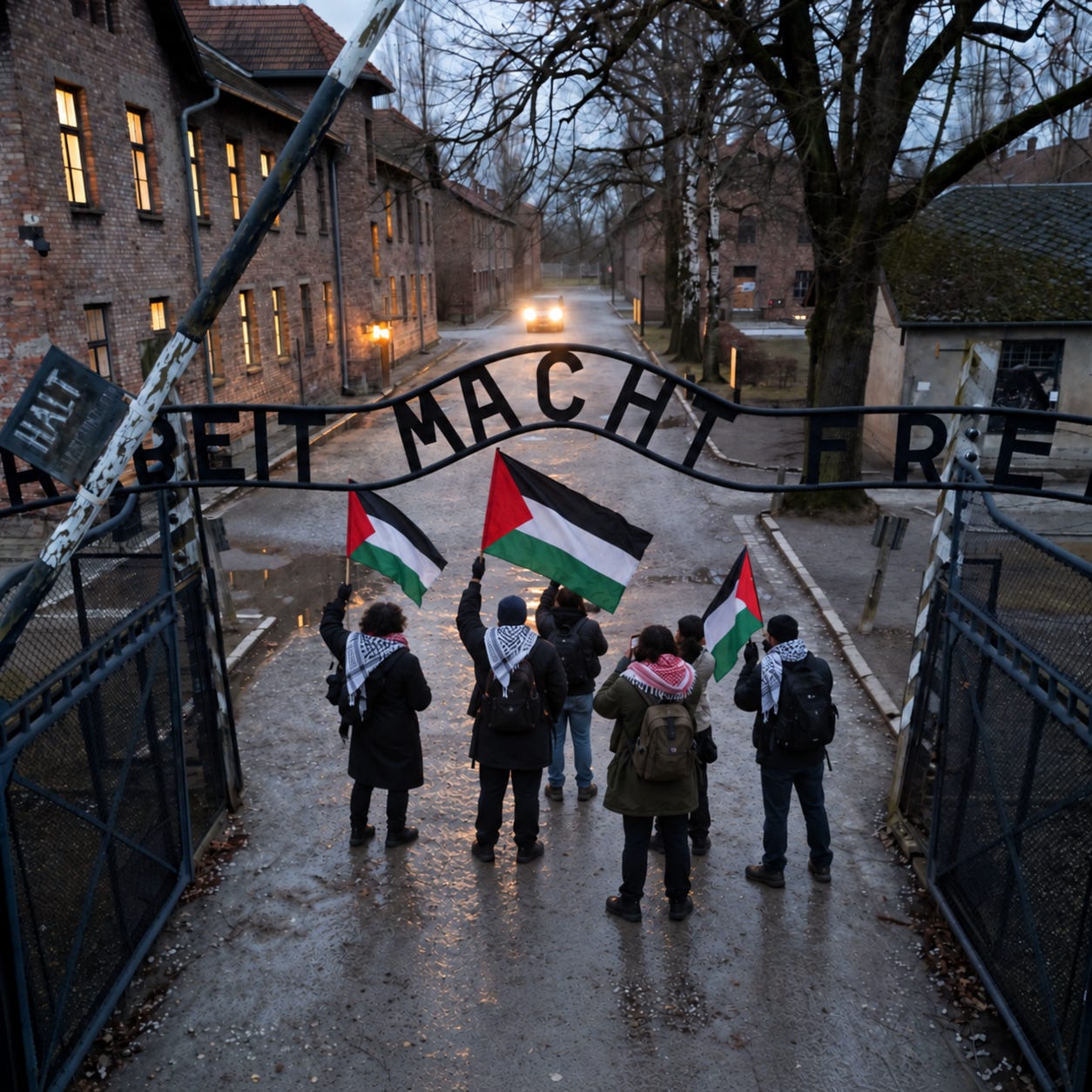
Individually and collectively, we carry the capacity for both good and evil. Our beliefs, culture, and moral framework shape what we regard as acceptable and what we reject. What fits our ideal self, we embrace and display; what we consider shameful, primitive, or unacceptable, we suppress. Carl Jung called the hidden psychological realm into which individuals and societies push these rejected parts the shadow.
According to Jung, what is pushed into the shadow does not simply disappear. It remains psychologically alive and continues to demand expression. Eventually, it returns in another form. For example, a person who suppresses anger because he believes anger is immoral may still express it through sarcasm or passive aggression. A society that prides itself on being endlessly tolerant may suppress its own hostility, only for that hostility to reappear as intense hatred toward those it labels intolerant.
The difficulty is that when a repressed impulse reappears, it often contradicts the conscious beliefs and moral identity of the person or culture expressing it. That contradiction creates a need for justification. The impulse must be given a form that allows the person to act it out while still believing that he remains faithful to his ideals.
Christianity, according to Jung, suppressed pre-Christian violence in Europe and pushed it into the shadow by presenting an astonishingly demanding moral ideal that civilized Europe. Yet the shadow Christianity created was not the disappearance of violence, but its sanctification.
The aggressive impulse returned in a form that could coexist with the Christian moral ideal: holy war. Violence was no longer presented simply as conquest or revenge, but as obedience to God, defense of the faith, protection of the sacred, or punishment of evil. The shadow had found a religious form through which it could erupt while still appearing righteous.
The next great transformation came with the Enlightenment and modern rationalism. The Enlightenment attacked religion as superstition and rejected everything that could not withstand the scrutiny of reason. In doing so, it constructed its own ideal human being. Modern man was supposed to be rational, scientific, autonomous, educated, and disenchanted. He no longer needed God to give meaning to his life, nor did he need inherited religious stories to explain history. He had escaped the primitive, or so he thought.
By creating its own ideal, the Enlightenment created its own shadow as well. Modern man exiled the need for transcendence, sacrifice, belonging, ritual, collective identity, heroes, enemies, redemption, and ultimate meaning.
The decline of religion did not remove the religious function from the human psyche. It merely made modern people less capable of recognizing it when it returned in another form.
The sacred that the Enlightenment had exiled reappeared. The nation became holy, race or class became the chosen people, the party assumed the emotional function of a church, political rallies acquired the atmosphere of religious ritual, the leader became a kind of political savior, betrayal became heresy, political purification took the place of repentance, national rebirth or revolution became salvation.
Fascism and Nazism, with their torches, symbols, rituals, myths, and mass spectacles, were the manifestations of what modern rationalism had suppressed. The sacred returned in political form. New gods appeared in the form of political saviors, nations, races, and causes treated as worthy of the religious devotion that modernity had supposedly left behind.
Then Europe exploded. Two world wars tore across the continent, killing tens of millions and unleashing violence on an industrial scale. Mechanized warfare, mass bombing, genocide, and forced displacement.
The need for transcendence, belonging, sacrifice, and salvation returned in secular forms that could coexist with the modern rationalist ideal. Fascism, Nazism, and revolutionary political movements gave these displaced impulses new objects of devotion. The sacred had not vanished; it had found a political form through which it could erupt while still presenting itself as modern.